Seo Keywords

Home > Seo Keywords > Anionic and Nonionic Surfactants for Mild Cleansing Systems | TJCY

Anionic and Nonionic Surfactants for Mild Cleansing Systems | TJCY

When formulators design rinse-off products, they rarely rely on only one surfactant. In many practical systems, anionic and nonionic surfactants are evaluated together to achieve the right balance of cleansing, foam, viscosity, and skin feel. This is especially true in shampoos, body washes, and facial cleansers, where performance depends on both cleaning efficiency and repeat-use comfort. 


In formulation work, the value of anionic and nonionic surfactants is not that they do the same job, but that they complement each other. Anionic surfactants usually provide the main cleansing and foaming performance, while nonionic surfactants are often used to adjust mildness, solubilization, compatibility, or overall sensory balance. For many buyers and development teams, the real question is not whether to use one class or the other, but how to combine them in a way that fits the target product.


Why Anionic and Nonionic Surfactants Are Often Used Together


The reason formulators combine anionic and nonionic surfactants is straightforward: each class contributes different strengths. Anionic surfactants are usually chosen for their strong detergency, rapid wetting, and fast foam generation. Nonionic surfactants, by contrast, are often valued for their mildness contribution, solubilization behavior, and ability to improve formulation flexibility in more sensitive or more specialized cleansing systems.


In practice, anionic and nonionic surfactants are often blended when a product must clean effectively but still feel smoother during use. A formula based only on strong anionic materials may clean well but feel too sharp in some applications. A formula based only on nonionic materials may be milder, but may not always provide the foam response or cleansing power expected in mainstream rinse-off products. Blending helps bridge that gap.


This approach is particularly relevant in shampoo and body wash development. In those categories, the goal is usually not maximum detergency alone. The goal is to create a formula that can remove scalp oil or body soil efficiently while still maintaining a foam profile and sensory feel that users accept. That is where anionic and nonionic surfactants become a practical system choice rather than just a technical concept.


Product-Focused Starting Points for Mild Cleansing Systems


For buyers and formulators building rinse-off products, the most practical way to evaluate anionic and nonionic surfactants is to start from the performance role each ingredient will play. In many commercial formulations, the anionic surfactant is selected first, and the rest of the system is then adjusted around it.


1. SLES as a mainstream anionic base

Sodium Lauryl Ether Sulfate (SLES) is one of the most common starting points in shampoos and other rinse-off products. It is widely used because it combines strong foam generation, good wetting, and effective cleansing with a profile that is often easier to balance than more aggressive anionic systems. In formulations where anionic and nonionic surfactants are blended, SLES often provides the main cleansing backbone.


2. SLS for stronger cleansing needs

Sodium Lauryl Sulfate (SLS) is another important anionic option. It is often chosen where stronger detergency and fast lather are priorities. In the context of anionic and nonionic surfactants, SLS may be selected when the product brief requires a stronger wash profile, though it usually needs more careful balancing if the target is a milder end-use feel.


3. CAPB as a related balancing surfactant

Cocamidopropyl Betaine (CAPB) is not a nonionic surfactant; it is amphoteric. However, it is still relevant here because many real-world mild cleansing systems do not rely on only anionic and nonionic surfactants. They often include amphoteric materials as well to improve foam creaminess, support viscosity, and soften the overall cleansing profile. For this reason, CAPB is commonly evaluated alongside anionic and nonionic components when building shampoo and body wash systems.


Related Surfactant Product Categories


To support the development of mild and balanced rinse-off formulations, TJCY supplies multiple types of anionic and nonionic surfactants for personal care applications. These materials are commonly used in shampoos, body washes, facial cleansers, and other cleansing systems where formulators need to balance detergency, foam quality, mildness, and compatibility.


From a formulation perspective, anionic surfactants are typically used to provide the primary cleansing and foaming effect, while nonionic surfactants are often selected to improve formulation flexibility, solubilization, and sensory balance. Depending on the target application, these materials may be used individually or as part of a broader surfactant system.
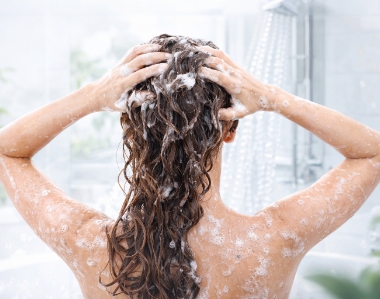


Surfactants (Anionic)

Anionic surfactants are widely used in personal care formulations because of their strong cleansing ability, good wetting performance, and fast foam generation. They are commonly used as the primary surfactant base in shampoos, body washes, and hand cleansers.

Sodium Lauryl Ether Sulfate
Ammonium Lauryl Ether Sulfate
Sodium Lauryl Sulfate
Ammonium Lauryl Sulfate
Sodium Alpha-olefin Sulfonate

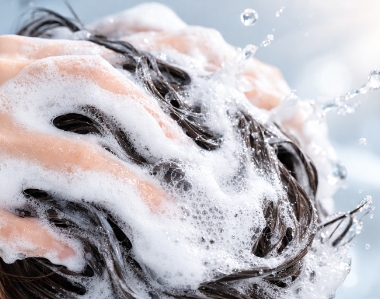
Surfactants (Nonionic)

Nonionic surfactants are often used in milder cleansing systems where better compatibility, lower irritation potential, or improved solubilization is required. In personal care formulations, they may serve as supporting surfactants in facial cleansers, body washes, and specialized shampoo systems.

Laureth-7
Alkyl Polyglucoside

How to Select Anionic and Nonionic Surfactants by Application


The best way to choose anionic and nonionic surfactants is to begin with the intended application. The same surfactant blend will not suit every rinse-off product.


What Buyers Usually Check Before Sourcing


For procurement teams, choosing anionic and nonionic surfactants is not only a formulation decision. It is also a supply decision. In commercial production, specification consistency, active matter, packaging options, lead time, documentation quality, and shipment stability all affect whether a material is suitable for long-term use.


At TJCY, the value for personal care buyers is usually in coordinated supply across surfactants and related cosmetic raw materials, rather than in viewing one ingredient as a standalone item. This is especially helpful when a project requires comparison among anionic surfactants, nonionic surfactants, and related balancing materials used in rinse-off systems. For inquiry or supply discussion, buyers can reach the team through the contact page.


FAQ


Are anionic and nonionic surfactants always used together?

No. Some products use mainly anionic and amphoteric systems, while others use very mild blends with limited anionic content. Still, anionic and nonionic surfactants are often evaluated together when the goal is to balance cleansing performance and mildness.


Are nonionic surfactants enough for shampoo on their own?

That depends on the product target. In many mainstream shampoos, nonionic surfactants alone may not provide the same foam and cleansing profile users expect. This is why blending anionic and nonionic surfactants remains a common solution.


Is CAPB a nonionic surfactant?

No. CAPB is amphoteric, not nonionic. However, it is frequently used alongside anionic and nonionic surfactants in mild cleansing systems because it can improve foam texture and help soften the overall wash profile.


What is the main benefit of blending anionic and nonionic surfactants?

The main benefit is balance. A properly designed blend can combine effective cleansing with better compatibility, a smoother sensory profile, and more flexibility across different personal care applications.


Related News

Contact Us

Related Keywords

Trusted Chemical Wholesalers for One-Stop Sourcing | TJCYConstruction Chemicals for High-Performance Building ProjectsIndustrial Chemicals wholesale|TJCYFood/Feed IngredientsTJCY – Reliable Active Pharmaceutical Ingredient ManufacturersAgrochemicals Products: Advanced Solutions for AgricultureAPI Products: Quality and Reliability in Every DoseNutritional Supplement Supplier – Bioactive Ingredients for HealthTJCY – Reliable Feed Additive SupplierAnionic and Nonionic Surfactants for Mild Cleansing Systems | TJCYPersonal Care Chemical Distributor​Hormone API Buyer’s Guide: Suppliers, Bulk Purchasing, and Global ApplicationsIndustrial Chemical Supplier | TJCYExtending Shelf Life of Packaged Foods with Preservatives – A Technical Guide for Food Industry Decision MakersPotassium Sorbate in Dairy Products: Stability, Solubility, and Usage TipsTJCY: Your Trusted Global Vitamin E Supplier for CosmeticsParacetamol: A Comprehensive Guide to Its History, Uses, and SafetyLevofloxacin Manufacturer | Quinolone Antibiotics ManufacturerRespiratory APIs for Quality-Assured Respiratory Health | TJCYTJCY - Leading Pharmaceutical Excipients SupplierWeight Loss Supplement Manufacturer | TJCYConstruction AdmixturesFood Additives Supplier | TJCYKey Moisturizing Ingredients Commonly Used in Skincare FormulationsPersonal Care Ingredient Suppliers | TJCYSweetener Supplier – Comprehensive Solutions for Functional Taste DesignFood Flavor Supplier – One-Stop Flavor Solutions for the Food IndustryWater Treatment Chemicals | TJCYPersonal Care Ingredients

Tianjin Chengyi International Trading Co., Ltd.

8th floor 5th Building of North America N1 Cultural and Creative Area,No. 95 South Sports Road, Xiaodian District, Taiyuan, Shanxi, China.

+86 351 828 1248 /

About Us

Tel.: +86 351 828 1246

Fax: +86 351 820 6170

Copyright © Tianjin Chengyi International Trading Co., Ltd. All Rights Reserved | Sitemap | Technical Support: Reanod