Industry Information
Home > News > Industry Information > Palmitoyl Tripeptide-8 in Sensitive Skin Care: Functions and Formulation Applications
Nov. 24, 2026
Sensitive skin care formulations are designed to address more than dryness. Visible redness, discomfort, and increased sensitivity to environmental factors can influence how consumers choose skincare products. For cosmetic formulators, this creates demand for functional ingredients that help improve skin comfort while fitting into moisturizing and barrier-supportive formulations. Palmitoyl tripeptide-8 is one such ingredient. As a synthetic lipopeptide used in soothing skincare products, it has attracted attention for its potential role in reducing the appearance of redness and supporting comfortable-feeling skin. Understanding its characteristics and formulation requirements helps manufacturers evaluate its use alongside other personal care ingredients.
Sensitive skin formulations often focus on improving the overall skin feel and reducing the appearance of discomfort associated with external stressors. These products may combine moisturizing ingredients, emollients, soothing agents, and other functional actives to create a balanced skincare system.
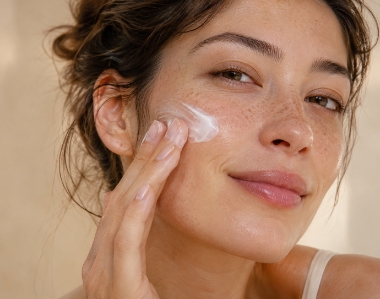
Palmitoyl tripeptide-8 is particularly interesting because research has investigated its potential involvement in pathways associated with skin irritation and inflammatory responses. This gives formulators another option when developing cosmetic products positioned around skin comfort.
One of the main cosmetic applications of palmitoyl tripeptide-8 is in products designed for sensitive and reactive-feeling skin. It is commonly positioned as a soothing peptide that helps improve the perception of skin comfort.
Research on this ingredient has explored its effects in experimental models involving inflammatory mediators and irritation-related responses. Some preclinical findings suggest that it may influence signaling pathways associated with skin redness and irritation.
For cosmetic manufacturers, these properties make palmitoyl tripeptide-8 relevant to formulations intended to provide a more comfortable skin feel, particularly when combined with appropriate moisturizing and conditioning ingredients.
Visible redness is a common concern addressed by sensitive skin and skin-soothing product lines. Palmitoyl tripeptide-8 has been investigated for its potential effects on processes associated with neurogenic inflammation, including responses involving substance P and inflammatory signaling.
These mechanisms have been explored through in vitro and ex vivo studies. However, the available clinical evidence for the isolated ingredient remains limited. Cosmetic claims should therefore be based on suitable finished-product testing rather than assuming that experimental results automatically translate into the same effects in every skincare formulation.
Environmental exposure, cleansing habits, and changes in skin condition can all influence the sensory experience of sensitive skin. A well-designed skincare formula therefore needs to consider several functions at once, including hydration, conditioning, and the management of unwanted dryness.
Palmitoyl tripeptide-8 can serve as one component of this approach. Its role is different from that of barrier lipids or occlusive ingredients, but it can complement these materials in products developed for sensitive skin.
Skin barrier care is an important part of sensitive skin formulation, but not all barrier-supportive ingredients work in the same way. The outermost layer of the skin, known as the stratum corneum, contains corneocytes surrounded by a lipid matrix composed mainly of ceramides, cholesterol, and fatty acids. This structure helps regulate moisture loss and protect the skin from external influences.
Palmitoyl tripeptide-8 does not directly replace these structural lipids. Instead, it is used as a functional peptide in formulations that focus on skin comfort and soothing properties. Understanding this distinction helps formulators avoid treating every ingredient marketed for sensitive skin as a direct skin barrier repair agent.
| Ingredient Category | Main Function | Role in Sensitive Skin Formulations |
|---|---|---|
| Palmitoyl Tripeptide-8 | Soothing and skin-conditioning support | Used in formulations targeting skin comfort and the appearance of redness |
| Ceramides | Structural skin lipids | Help maintain the lipid organization of the skin barrier |
| Hyaluronic Acid | Humectancy and water retention | Supports surface hydration and a smoother skin feel |
| D-Panthenol | Moisturizing and conditioning support | Helps improve skin hydration and comfort |
| Emollients | Softening and moisture-loss reduction | Improve skin feel and support the protective surface layer |
For example, humectants help attract and retain moisture, while emollients soften the skin and contribute to the surface lipid environment. Their complementary functions are important when developing products for dry or sensitive skin. Formulators can also review key moisturizing ingredients in skincare formulations when building a balanced system.
In cream and lotion formulations, the emollient phase can further influence skin feel, spreadability, and moisture retention. The choice of suitable emollient ingredients should therefore be considered alongside the use of functional peptides.
The application of palmitoyl tripeptide-8 is not limited to one type of cosmetic product. Its use depends on the desired product positioning, ingredient delivery system, and compatibility with the other components in the formula.
Facial serums are a common format for incorporating functional peptides. Their lightweight textures allow formulators to combine small amounts of specialized actives with humectants and other skin-conditioning ingredients.
In sensitive skin serums, palmitoyl tripeptide-8 can be included as part of a soothing ingredient system. It may be combined with glycerin, hyaluronic acid, or other compatible ingredients to provide hydration alongside a comfort-focused product concept.
Creams and lotions provide more opportunities to combine peptides with emollients, moisturizing agents, and other conditioning materials. These formulations can be designed to address dryness, roughness, and the sensory discomfort associated with sensitive skin.
In these systems, palmitoyl tripeptide-8 serves as a functional peptide component, while the emulsion structure and moisturizing ingredients determine much of the product's overall texture and barrier-supportive performance.
Emulsifier selection is particularly important because the oil phase, water phase, and active ingredients must remain compatible throughout storage. Developers can review different emulsifier systems when designing stable cream and lotion products.
After-sun products and post-cleansing skincare products often focus on restoring a comfortable skin feel after environmental exposure or routine cleansing. Lightweight lotions, gels, and serums may incorporate soothing ingredients as part of their formulation strategy.
Palmitoyl tripeptide-8 can be considered for these product concepts when its formulation requirements and intended cosmetic claims are appropriate. The final product should be evaluated for sensory performance, stability, and compatibility with the selected ingredients.
A functional peptide rarely needs to work alone in a modern skincare formula. For sensitive skin products, the overall ingredient combination is often more important than the presence of one featured active. A balanced system can bring together soothing ingredients, humectants, emollients, and skin-conditioning agents.
D-Panthenol is widely used in skincare because of its moisturizing and conditioning properties. When combined with palmitoyl tripeptide-8, it can contribute a complementary function within a sensitive skin formulation.
While the peptide is selected for its soothing and skin-conditioning positioning, D-Panthenol contributes to moisture retention and a comfortable skin feel. This combination may be considered in serums, creams, and lotions designed around hydration and skin comfort.
For a closer look at its formulation behavior, see TJCY's discussion of D-Panthenol applications.
Hyaluronic acid and sodium hyaluronate are commonly used to improve hydration in skincare products. Their water-binding properties complement the functional role of palmitoyl tripeptide-8, making them suitable candidates for combined hydration and soothing concepts.
For example, a lightweight serum may use a humectant system to support hydration while incorporating a peptide as a specialized active. The formulation should be evaluated for clarity, viscosity, ingredient compatibility, and overall sensory performance.
Other ingredients, including glycerin, emollients, and selected skin-conditioning agents, can help build a more complete formula. However, compatibility should not be assumed simply because ingredients have complementary functions.
Developers should assess the complete formulation, including pH, processing temperature, preservative compatibility, and long-term stability. The objective is to create a product in which the peptide remains suitable for its intended use while the supporting ingredients provide the required moisturizing and sensory properties.
Peptide ingredients often require more careful handling than conventional moisturizing agents. Their supplied form, peptide content, carrier system, and processing requirements can vary between manufacturers. These details should be checked before incorporating palmitoyl tripeptide-8 into a commercial formula.
Palmitoyl tripeptide-8 may be supplied in powder form or as part of a prepared liquid system, depending on the commercial grade. The presence of a palmitoyl group also means that its behavior should not be assumed to match that of a simple, unmodified water-soluble peptide.
For liquid preparations, the carrier, solvent, and preservative system can influence compatibility with the finished formula. For powder grades, formulators should follow the supplier's dispersion or dissolution instructions and check whether a suitable premix is required.
Many peptide-containing cosmetic ingredients are incorporated during the cooling phase of production to limit unnecessary exposure to elevated temperatures. The appropriate addition temperature and pH range should be confirmed using the technical data sheet for the exact grade being supplied.
Prolonged heating or unsuitable pH conditions may affect ingredient stability. Formulation trials should therefore include appropriate checks for appearance, color, odor, pH, and active content where analytical methods are available.
The recommended use level of palmitoyl tripeptide-8 depends on the material supplied. A concentrated peptide solution and a diluted commercial blend may contain very different amounts of active peptide, even when their ingredient names are similar.
For this reason, formulators should distinguish between the addition rate of the supplied raw material and the actual peptide content in the finished product. The supplier's specification and formulation guidance should be used to establish an appropriate use level rather than applying one universal percentage to every grade.
Once incorporated, the peptide should be assessed within the complete formulation. Stability testing can help identify changes in appearance, viscosity, pH, odor, and other relevant quality attributes during storage.
For sensitive skin products, finished-formula testing is also important when making claims related to soothing, redness, or skin comfort. Ingredient-level research provides a scientific starting point, but it does not replace performance and tolerance evaluation of the final cosmetic product.
Palmitoyl tripeptide-8 is a specialized lipopeptide used in cosmetic formulations developed for sensitive and reactive-feeling skin. Its potential soothing properties and research into irritation-related signaling make it an interesting ingredient for skin comfort and redness-focused product concepts.
Its role should be considered alongside the wider formulation system. Humectants, emollients, barrier lipids, and conditioning ingredients contribute different functions, while the peptide provides a complementary active component. Successful application depends on selecting a suitable commercial grade and controlling its incorporation, compatibility, and stability.
For cosmetic manufacturers developing sensitive skin serums, moisturizing creams, and other barrier-supportive products, understanding the characteristics of palmitoyl tripeptide-8 can help guide ingredient selection and formulation development. Buyers looking for additional personal care ingredients can explore TJCY's portfolio for different cosmetic manufacturing applications.
Previous: None
Next: Piroctone Olamine in Anti-Dandruff Shampoo: Functions and Formulation Applications
Palmitoyl Tripeptide-8 in Sensitive Skin Care: Functions and Formulation Applications
Piroctone Olamine in Anti-Dandruff Shampoo: Functions and Formulation Applications
Sodium Hyaluronate in Skincare: Molecular Weight, Hydration, and Formulation Applications
Ensifentrine API: Market Growth, Dual PDE3/4 Inhibition and COPD Drug Development

Tianjin Chengyi International Trading Co., Ltd.
8th floor 5th Building of North America N1 Cultural and Creative Area,No. 95 South Sports Road, Xiaodian District, Taiyuan, Shanxi, China.
+86 351 828 1248 /
Navigation
