Industry Information
Home > News > Industry Information > Types of Feed Additives and Their Functions in Animal Nutrition
Apr. 24, 2026
Feed additives play a critical role in modern animal production by improving feed efficiency, supporting animal health, and optimizing overall performance. In practical applications, different feed additive types are selected based on production goals such as growth promotion, immunity enhancement, and digestion improvement. A structured understanding of animal feed additives helps ensure more efficient feeding strategies and better economic outcomes.
Feed additives are substances added to animal feed in small quantities to improve nutritional value, feed utilization, and animal performance. Unlike basic feed ingredients, animal feed additives are designed to enhance specific biological functions.
They are widely used across poultry, livestock, and aquaculture systems. For a related application-focused article, you can also read Poultry Feed Additives: Examples and Their Role in Animal Health.
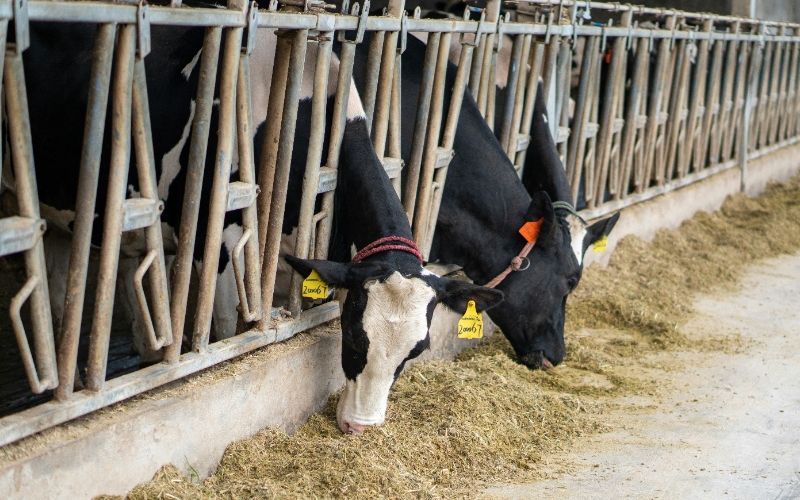
There are several major categories of types of feed additives, each with distinct roles in animal nutrition.
Amino acids are essential building blocks of protein and are among the most widely used feed additive types.
Key functions:
Improve protein synthesis
Promote growth performance
Reduce feed cost by optimizing formulations
Common amino acid feed additives include lysine, methionine, and threonine. These animal feed additives are especially important in poultry and swine diets.
Vitamins are crucial micronutrients that support metabolic processes and immune function.
Key functions:
Enhance immunity
Support reproduction
Prevent deficiency-related diseases
Vitamin-based feed additive types are commonly used across all animal production systems, making them a fundamental category of animal feed additives.
Enzymes improve the digestibility of feed components and are increasingly used in modern feed formulations.
Key functions:
Improve nutrient absorption
Break down anti-nutritional factors
Enhance feed efficiency
Popular enzyme feed additives include phytase, protease, and xylanase. These feed additive types are particularly valuable in grain-based diets.
Minerals play a vital role in bone development, enzyme activity, and physiological balance.
Key functions:
Support skeletal development
Maintain electrolyte balance
Improve overall animal performance
Trace minerals such as zinc, copper, and selenium are common animal feed additives used in both intensive and extensive farming systems.
Probiotics are live microorganisms that provide health benefits when administered in adequate amounts.
Key functions:
Improve gut health
Enhance digestion
Strengthen immune response
These feed additive types are gaining popularity as alternatives to antibiotics in sustainable animal production.
Feed Additive Type | Main Function | Typical Use | Key Benefit |
Amino Acids | Protein synthesis | Poultry, swine | Growth improvement |
Vitamins | Metabolism support | All animals | Immunity enhancement |
Enzymes | Digestibility improvement | Grain diets | Feed efficiency |
Minerals | Physiological balance | All systems | Health maintenance |
Probiotics | Gut health | Poultry, livestock | Antibiotic alternative |
In real-world production, animal feed additives are rarely used in isolation. Instead, multiple feed additive types are combined to achieve optimal performance.
For example:
Amino acids + enzymes → improve feed utilization
Vitamins + minerals → support immune function
Probiotics + enzymes → enhance gut health and digestion
These combinations allow producers to create more efficient and targeted feeding programs. If you are exploring broader product options, you can also visit the TJCY homepage for more company and industry information.
Understanding the different types of feed additives is essential for building effective animal nutrition strategies. From amino acids and enzymes to vitamins and probiotics, each category of feed additive types serves a specific role in improving performance and health. As the industry continues to evolve, the use of advanced animal feed additives will remain a key factor in achieving sustainable and cost-effective production.

Tianjin Chengyi International Trading Co., Ltd.
8th floor 5th Building of North America N1 Cultural and Creative Area,No. 95 South Sports Road, Xiaodian District, Taiyuan, Shanxi, China.
+86 351 828 1248 /
Navigation
