Industry Information
Dec. 06, 2024
Physical sunscreen ingredients mainly include zinc oxide and titanium dioxide, while chemical sunscreens use organic UV filters such as avobenzone, octocrylene, homosalate and octyl salicylate. Both types protect the skin from ultraviolet radiation, but they differ in UV coverage, formulation compatibility, texture and sensory performance.
For sunscreen formulators and personal care manufacturers, understanding these differences is important when selecting suitable sunscreen agents for a finished product. This article compares the main physical and chemical UV filters and explains what should be considered during ingredient selection.
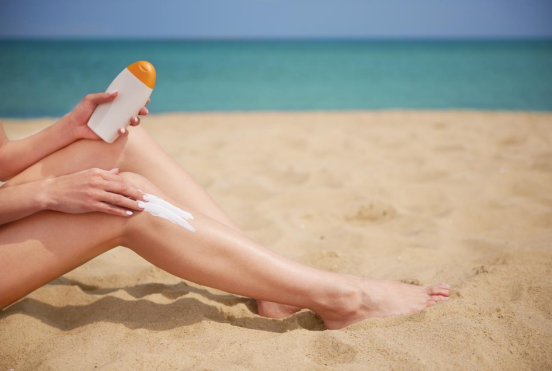
Before diving into specifics, let's clarify the basic difference between chemical and physical sunscreen ingredients:
Chemical Sunscreens: These contain organic compounds that absorb UV radiation and convert it into heat, which is then released from the skin. They are typically more lightweight and transparent, making them ideal for those seeking a non-greasy finish.
Physical Sunscreens: Also known as mineral sunscreens, these include inorganic compounds that sit on top of the skin and physically block or scatter UV rays. While more visible on the skin and often thicker in consistency, they are typically recommended for sensitive skin.
It is worth noting that the traditional explanation that physical sunscreen only reflects UV rays while chemical sunscreen only absorbs them is an oversimplification. Zinc oxide and titanium dioxide mainly protect the skin by absorbing ultraviolet radiation, although their particles also reflect and scatter part of the incoming light. The actual performance of a sunscreen depends on the complete formulation, including filter concentration, dispersion, photostability and film formation.
Octocrylene is a commonly used chemical sunscreen agent that primarily absorbs UVB rays. It helps protect the skin from sunburn by absorbing UVB radiation and transforming it into heat. Additionally, it has antioxidant properties, which help to stabilize other sunscreen ingredients and enhance the overall effectiveness of the formula. Octocrylene is also known for its water-resistant properties, making it suitable for use in active or water-based sunscreens.
Homosalate is another chemical sunscreen active ingredient that absorbs UVB radiation. It works by preventing the UVB rays from penetrating the skin and causing sunburn. This ingredient is typically used in combination with other sunscreen agents to create a more comprehensive sun protection formula. While effective at preventing sunburn, Homosalate does not offer significant protection against UVA rays, so it is usually paired with other agents like Avobenzone.
Avobenzone is an oil-soluble chemical sunscreen ingredient used primarily for UVA protection, particularly within the UVA I range. It is commonly combined with UVB filters to create broad-spectrum sunscreen formulations. Because avobenzone may lose effectiveness during prolonged UV exposure, compatible photostabilizers or filter combinations are often used to improve formula stability.
Octyl Salicylate is a UVB filter that helps absorb UV radiation, preventing it from reaching the skin. It works by absorbing and dissipating UVB rays, thereby preventing sunburn and other UV-induced skin damage. It is often combined with other chemical sunscreen agents to improve the overall sunscreen effectiveness and offer longer-lasting protection.
The two principal physical sunscreen ingredients are zinc oxide and titanium dioxide. These inorganic mineral filters differ in their UV coverage, appearance and formulation behavior. Selecting the right mineral filter requires formulators to consider particle dispersion, white cast, stability, skin feel and regulatory requirements in the intended market.
Request Sunscreen Ingredient Information
Zinc Oxide is the most widely used physical sunscreen ingredient and provides broad-spectrum protection against both UVA and UVB rays. Unlike chemical sunscreens that absorb UV rays, Zinc Oxide physically blocks and reflects the UV rays, preventing them from penetrating the skin. It is ideal for sensitive skin as it is non-irritating and offers instant protection after application. Zinc Oxide also has anti-inflammatory properties, making it suitable for individuals with skin conditions such as rosacea or eczema.
Titanium Dioxide is another key ingredient found in physical sunscreens. Like Zinc Oxide, it provides a physical barrier that reflects UV rays away from the skin. It offers good protection against UVB rays but is generally less effective at blocking UVA rays compared to Zinc Oxide. Titanium Dioxide is often used in combination with Zinc Oxide to provide balanced protection against both types of UV radiation.
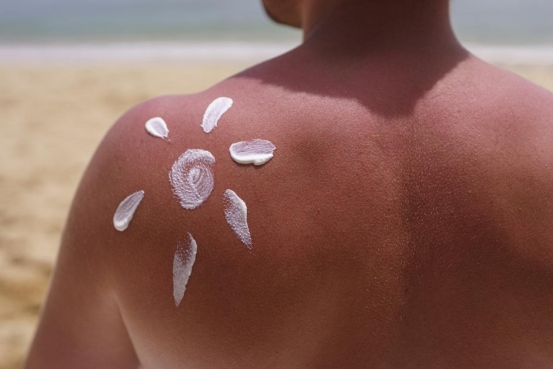
Chemical Sunscreens: If you have normal to oily skin and prefer a lightweight, non-greasy formula that absorbs quickly, chemical sunscreen may be the best choice. It is also ideal for active individuals or those who need a sunscreen that doesn't leave a white cast. People who are often exposed to the sun for extended periods may also benefit from chemical sunscreens due to their enhanced water-resistant properties.
Physical Sunscreens: If you have sensitive skin or suffer from conditions like acne, rosacea, or eczema, physical sunscreen is likely a better fit. It is less likely to irritate the skin and provides immediate protection. People with fair skin or those concerned about photoaging should also consider physical sunscreens, as they provide broad-spectrum protection and help prevent long-term skin damage.
Chemical Sunscreens:
Pros: Lightweight, transparent, water-resistant, and ideal for daily wear.
Cons: May cause irritation for sensitive skin, often contains synthetic chemicals that some consumers prefer to avoid.
Physical Sunscreens:
Pros: Non-irritating, offers broad-spectrum protection, and is ideal for sensitive skin.
Cons: Can leave a white cast, thicker consistency, and may need to be reapplied more often.
To determine whether your sunscreen is chemical or physical, check the ingredient list. If it contains Zinc Oxide or Titanium Dioxide, it is a physical sunscreen. If it includes Octocrylene, Homosalate, Avobenzone, or Octyl Salicylate, then it is a chemical sunscreen.
For oily skin, avoid sunscreens that contain heavy oils or comedogenic ingredients. Octyl Salicylate and Benzophenone can clog pores and may not be ideal for acne-prone or oily skin. Look for oil-free, lightweight formulas with Avobenzone or Titanium Dioxide.
Sensitive skin may react poorly to chemical filters like Oxybenzone and Homosalate, which can cause irritation. Instead, opt for physical sunscreens containing Zinc Oxide or Titanium Dioxide, which are gentle and less likely to trigger a reaction.
Understanding the difference between chemical and physical sunscreens begins with their ingredients. Chemical sunscreens, which include compounds like Octocrylene, Homosalate, Avobenzone, and Octyl Salicylate, work by absorbing UV rays and converting them into heat. These lightweight, water-resistant formulas are ideal for normal to oily skin types or those seeking a non-greasy finish.
On the other hand, physical sunscreens rely on Zinc Oxide and Titanium Dioxide to create a protective barrier that reflects UV rays. These are often recommended for sensitive skin due to their gentleness and instant efficacy. Choosing the right sunscreen depends on your skin type, preferences, and sun exposure needs.
For those in the skincare or cosmetics industry, sourcing high-quality sunscreen ingredients is crucial. TJCY is a reliable global supplier of sunscreen ingredients, offering tailored solutions to meet diverse formulation requirements.If you need to purchase sunscreen ingredients, please feel free to contact us.

Tianjin Chengyi International Trading Co., Ltd.
8th floor 5th Building of North America N1 Cultural and Creative Area,No. 95 South Sports Road, Xiaodian District, Taiyuan, Shanxi, China.
+86 351 828 1248 /
Navigation
